
- Home
- / Services
- / Dry Needling
Dry Needling
Dry needling is a targeted treatment for tight, painful muscles. Corey Klein, PT, has been certified in dry needling since 2020 and uses it as part of a broader physical therapy plan, in the comfort of your home in north Atlanta.
What is dry needling?
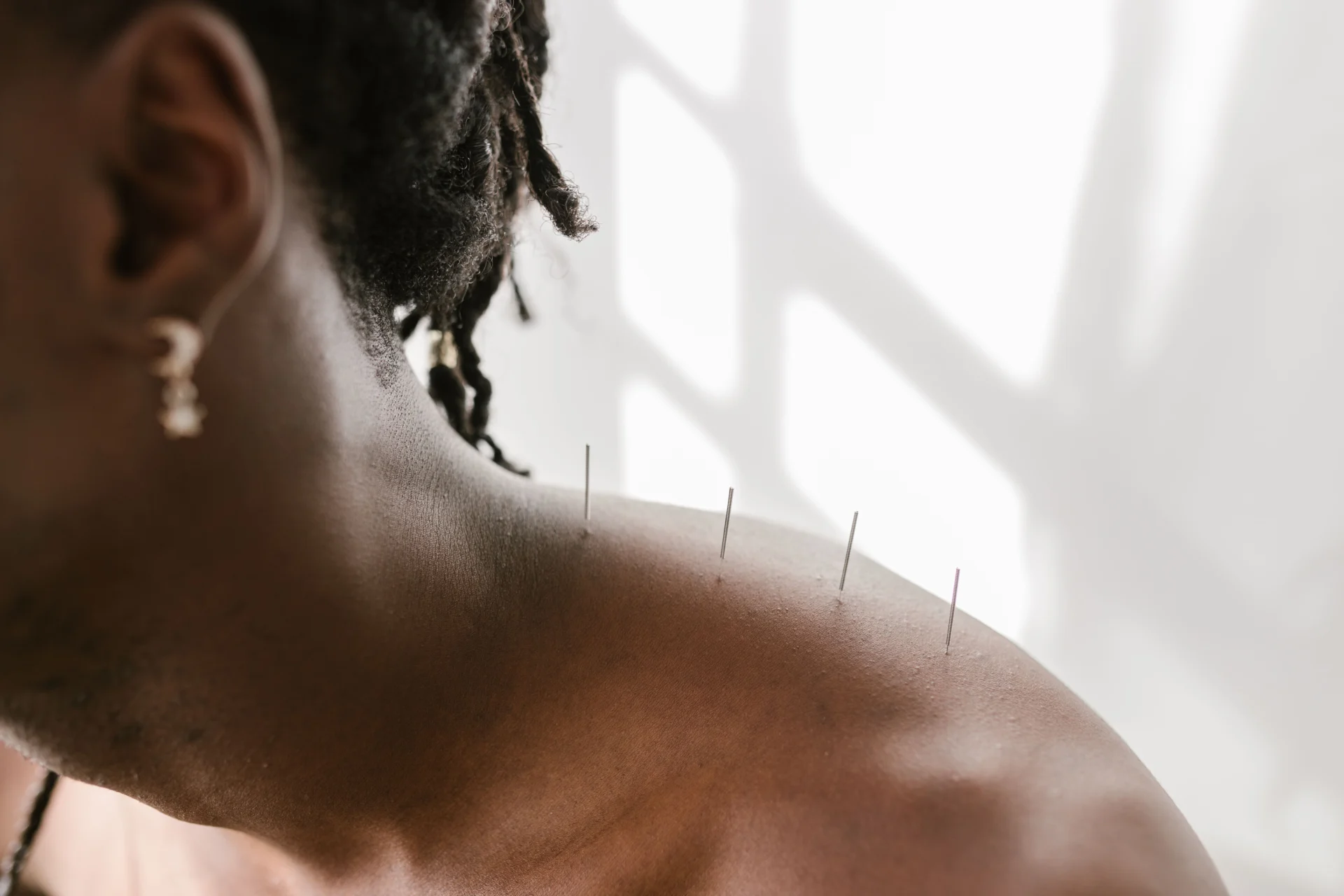
A very thin, sterile needle is placed into a tight band of muscle, often called a trigger point. This can cause the muscle to twitch and then release, which may reduce pain, ease tension and make movement easier. The “dry” means nothing is injected.
Dry needling is not a stand-alone fix. It works best alongside hands-on treatment and exercise, so the muscle stays calmer once it has released.
A doctor's order is required
Dry needling requires an order from your physician. If you don’t have one yet, we can talk through how to get it during your free phone consult.
What a dry needling session looks like
1
Screening
A review of your health history to make sure dry needling is appropriate for you.
2
Finding the right spots
The tight, tender areas in the muscle are located by hand.
3
Needling
Thin needles are placed briefly, sometimes with small movements to get the muscle to release.
4
Follow-up treatment
Usually stretching, movement or exercise right afterward to make the most of the release.
After dry needling
A fall risk assessment looks at the things that most affect how steady you are: leg strength, balance while standing still and moving, how you walk and turn, how quickly you react, your inner ear and vision-related balance, and how well you get up from a chair or the floor. We also look at your home: lighting, rugs, stairs, the bathroom and the paths you use most.
You’ll come away with a clear picture of what’s driving your risk and a plan to address it.
Common questions about dry needling
Does it hurt?
Most people feel a brief prick, then a twitch or cramping sensation in the muscle. It’s usually over quickly.
Is it the same as acupuncture?
They use similar needles, but they’re different treatments. Acupuncture is based on traditional Chinese medicine. Dry needling is based on anatomy and targets specific muscles found during a physical therapy evaluation.
Is it safe?
When performed by a trained clinician, dry needling is generally very safe. Needles are sterile and single-use, and your health history is reviewed first.
Who shouldn't have dry needling?
It isn’t right for everyone. Some medical conditions, medications and other factors can make it inappropriate. That’s why every patient is screened first.
Will every session include dry needling?
Not necessarily. It’s one tool among many, used when it will help.
What if I don't like needles?
That’s completely fine. There are plenty of other effective options, including manual therapy.